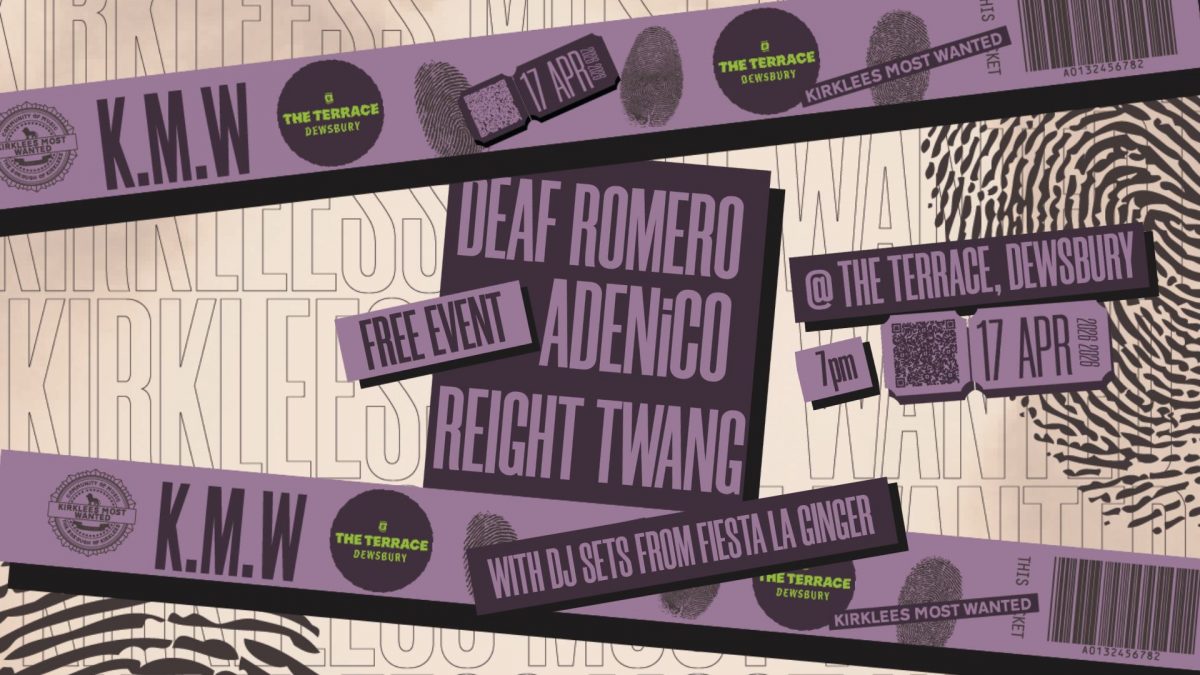
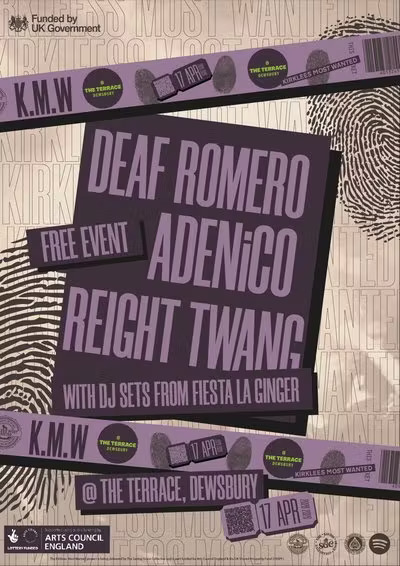
The search for the region’s most electrifying talent has reached its peak. After three explosive nights that proved Huddersfield and Dewsbury is a forces to be reckoned with on the UK music map, we are back for the 4th and final installment of the Kirklees Most Wanted Showcases for this season.
On Friday, 17th April 2026, The Terrace will transform once again into a sanctuary for grassroots music. For our final bow, we’ve curated a lineup that perfectly captures the eclectic, high-energy spirit of Kirklees.
ADENiCO
ADENiCO is an independent artist from West Yorkshire blending Soul, Indie Rock and Hip-Hop into a melodic, genre-crossing sound. Known as a vocalist, producer and multi-instrumentalist, he has performed at prominent venues across the UK — including Ronnie Scott’s Jazz Club — and has supported artists such as Children of Zeus. His music pairs introspective lyricism with live instrumentation and contemporary production, pushing beyond genre while remaining grounded in authenticity. After over 10 years in the industry ADENiCO recently released his debut single ‘OUTSIDUES’ in collaboration with DNB DJ/producer Ventus.
DEAF ROMERO
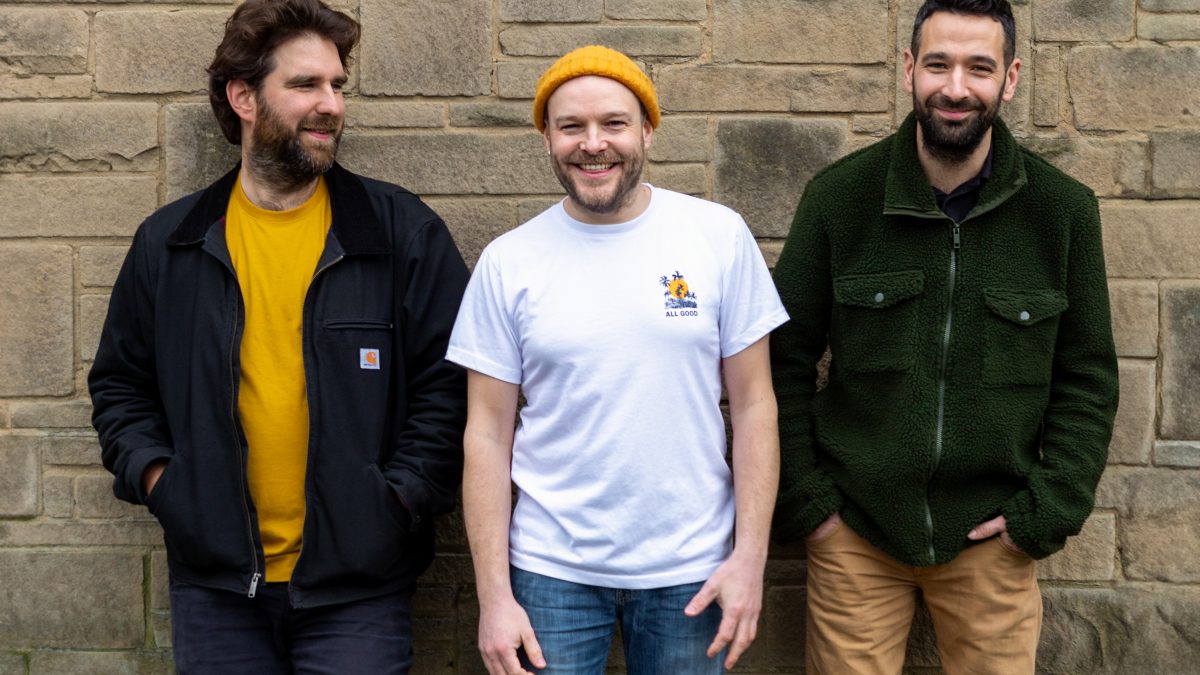
The Vibe: Explosive, eccentric, and high-octane. Hailing from the Halifax/Huddersfield circuit, DEAF ROMERO is a trio that needs to be seen to be believed. Fresh off BBC Introducing airplay, their sound is a “cartoony,” neon-soaked tribute to ‘90s alt-rock. Expect dual vocals, synth wizardry, and stories ranging from the occult to the breakfast table. They are unpredictable, electrifying, and loud.
Reight Twang
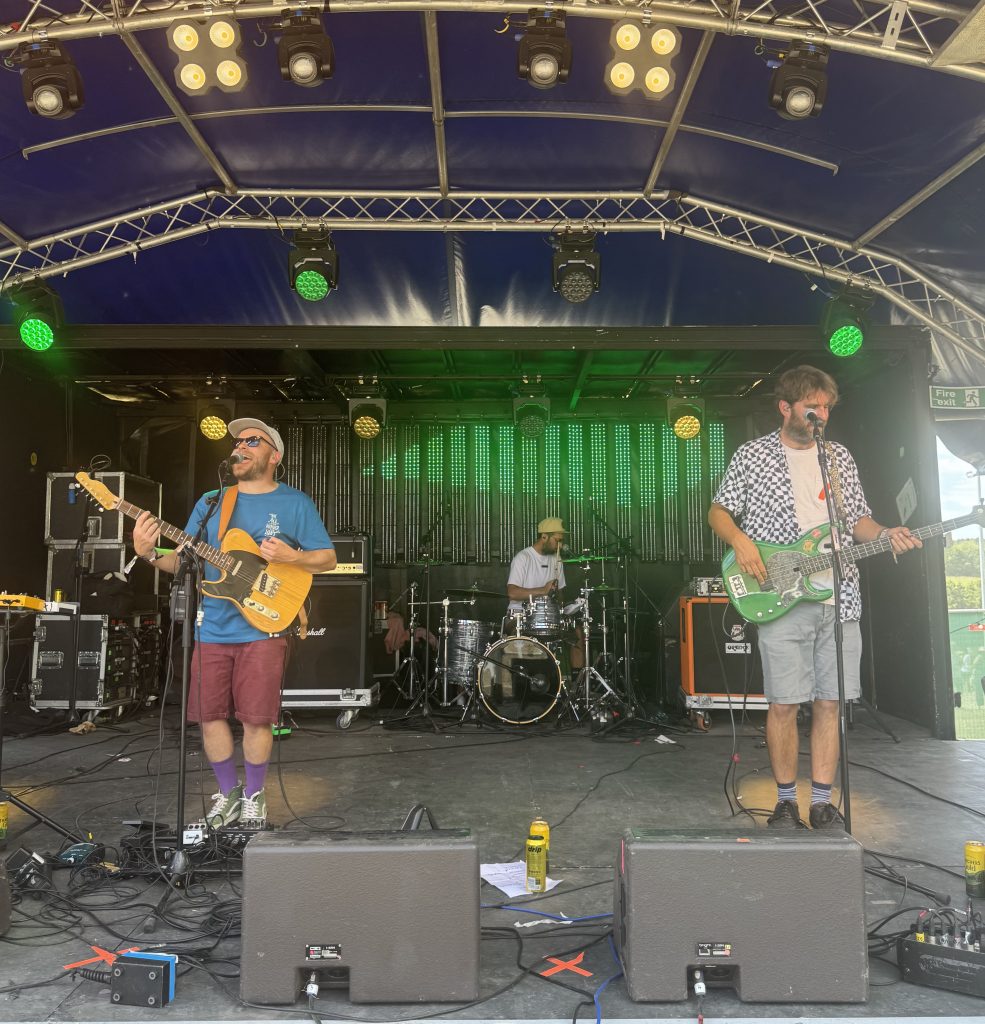
The Vibe: Gritty, rhythmic, and unapologetically Northern. As authentic as their name suggests, Reight Twang delivers a high-octane collision of ska, punk, funk, and rock. With a distinct regional edge and a reputation for turning any floor into a pulsing crowd, their grit and groove are the perfect match for the intimate energy of The Terrace.
Supported by the UK Shared Prosperity Fund, Arts Council England and Saving Grace Collective, this series has been about more than just gigs; it’s been a celebration of the “sonic soul” of our community.
The Details
Keeping the momentum moving between sets is the incredible DJ Fiesta La Ginger, ensuring the energy never dips from the first beat to the final curtain.
When: Friday, 17th April 2026
Where: The Terrace, 31 Wellington Road, Dewsbury, WF13 1HL
Time: Doors open at 7:00 PM | Music until 10:30 PM
This is your last chance to catch the Most Wanted series in its current form. Come support local artists, support local venues, and discover your next favorite band before they hit the big time.
Don’t be the one saying “I wish I’d been there.” See you at The Terrace.
Luke chats with all the talented performers who performed at the second Kirklees Most Wanted Showcase on February 20th at the Terrace in Dewsbury. The acts talk about their music, share hilarious anecdotes, and ultimately insightful perspectives on their musical journey.
Lillie chats with all the talented performers who lit up the stage at the second Kirklees Most Wanted Showcase on January 20th at the Northern Quarter. The acts talk about their musical careers, sharing touching moments, amusing anecdotes, and ultimately insightful perspectives on their creative paths.
“New Day” is a song defined by two things: an uplifting message of perseverance and hope, and the jazzy, head-bobbing brass melodies which take you most of the way there. Catchy and heartfelt with a uniquely Reggae spin – “New Day” is focused, purposeful, and powerful in both its message and its delivery.
Praised by BBC Radio 1 DJ Rob da Bank, Easy Stride have been mastering their unique sound since 2015, and “New Day” is their version of Soul down to a fine art. The triumphant brass instrumentals, the smooth bassline, the sharp vocals, and the hypnotic piano all come together to make a sound that transcends and uplifts in equal measures.
A perfect vibe – it’s hard to find anything to dislike about “New Day”, especially during that teasingly killer bridge.
Sugary and chill, “Shadow Dancing” is a warm window on a cold night – self-conscious in the best way possible. The sweet, poetic, and slightly obsessive lyrics about watching a boyfriend’s window and wondering what he’s doing are painfully relatable – and the soft melodic vocals deliver them in a comforting dose of reassurance.
“Shadow Dancing” also happens to be a bop – just as fitting in a club as in a pair of earphones under a blanket. The soft piano drones, snap-click beat, low-key bass, and electronic bleeps make it seem a second “Dancing On My Own”
Do you feel sad sexy? Well, “Shadow Dancing” certainly does.
Smokey and sensual, with a groove straight out of the 70s, “Superstar” is a collaboration that works on every level. The low vocals provided by Ruby Wood swirl into the smooth, bubbly bass and trumpet accents to make a rich sound that’s the audio equivalent of red wine.
“Superstar” is a song about the fantasy of dating a superstar, and the lyrics are filled with a sort of quiet awe that speaks to the head-spinning notion of that premise – though given Wood’s extensive touring and sellout Wembly Arena and Manchester Apollo performances, it’s fair to say she’s the superstar in the relationship.
“Superstar” is R&B at its finest – an easy-listening jam that’s hard to dislike.
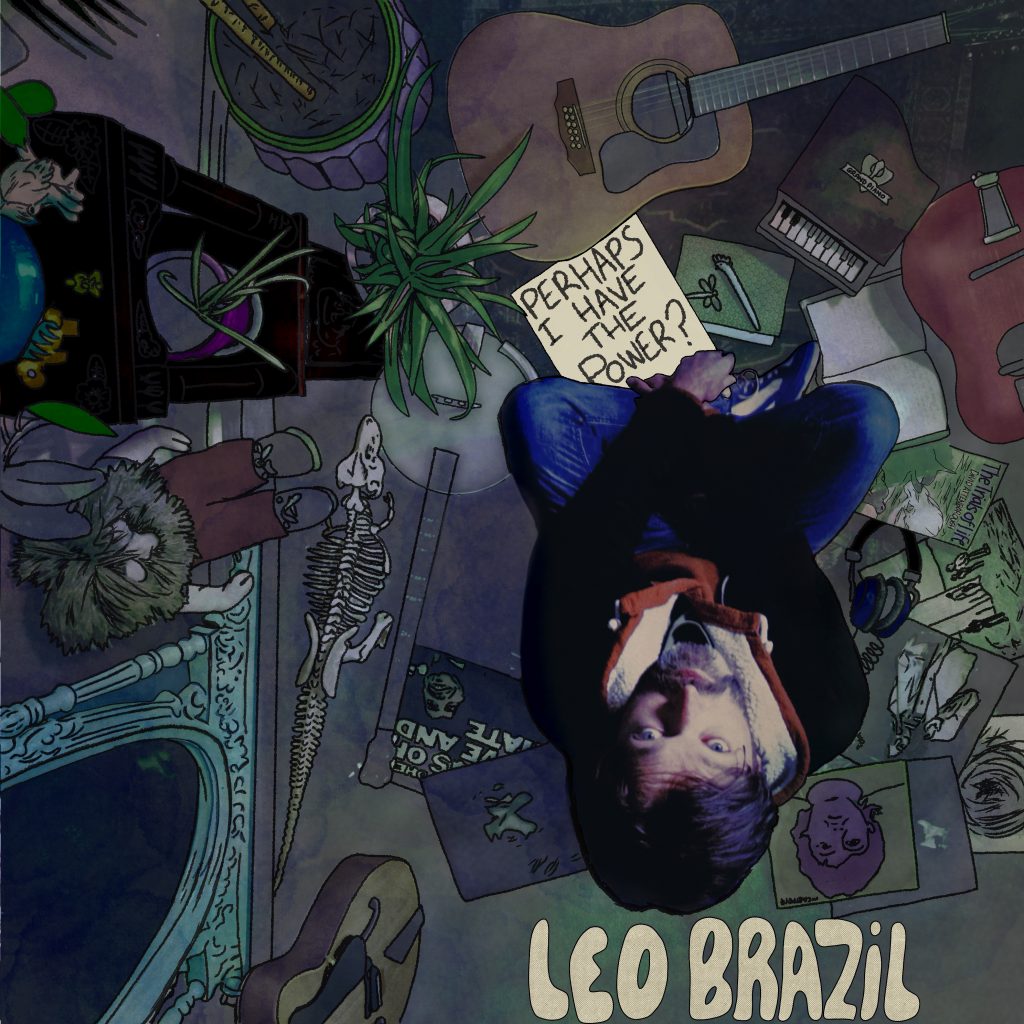
Heartfelt and soulful, “Perhaps I Have The Power” is a sweet and simple folk ballad and a plainly raw acknowledgement that things will be better. Brazil’s low and thick vocals and honestly hopeful lyrics make for a powerfully uplifting core, and the bassy guitar strums and thumping percussion coalesce into a pleasantly soulful sound to accompany it.
Brazil’s love for music is evident in the deceptively strong production – including background choral vocals, warbling Mellotron, and subtly mixed bass – which compliment the core song without tainting the simple, folksy sound. That, and the heartfelt declaration that “music is always around when you’re feeling down.”
I can’t think of a better example of that sentiment than “Perhaps I have the Power”
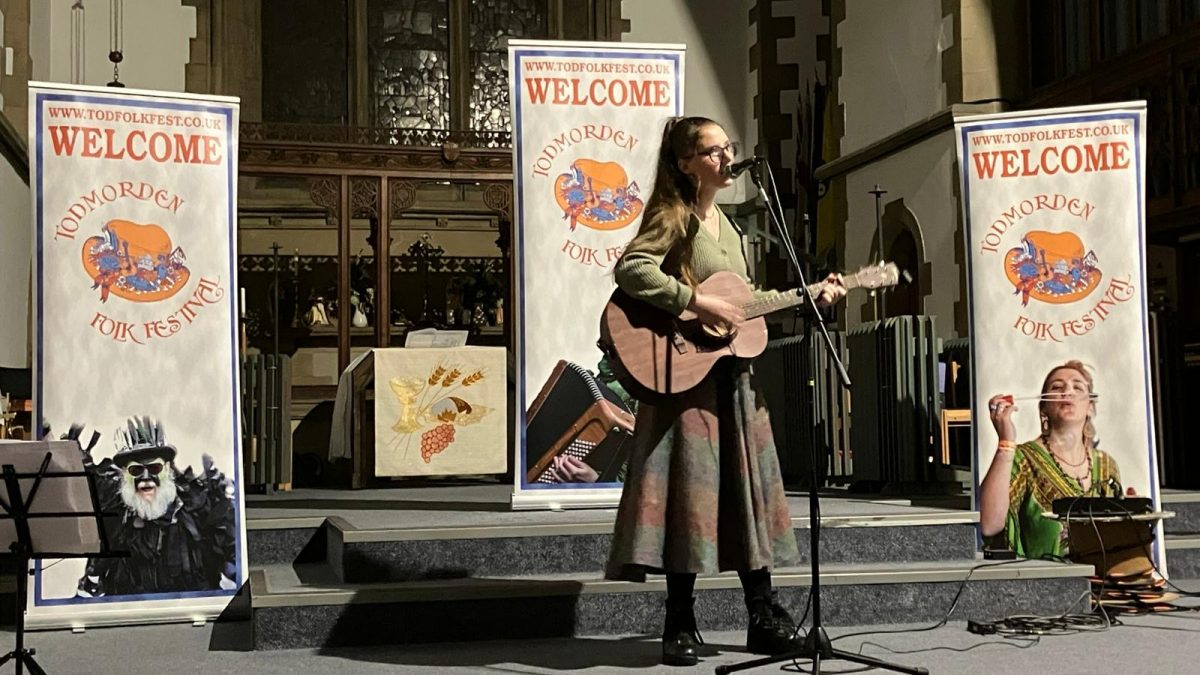
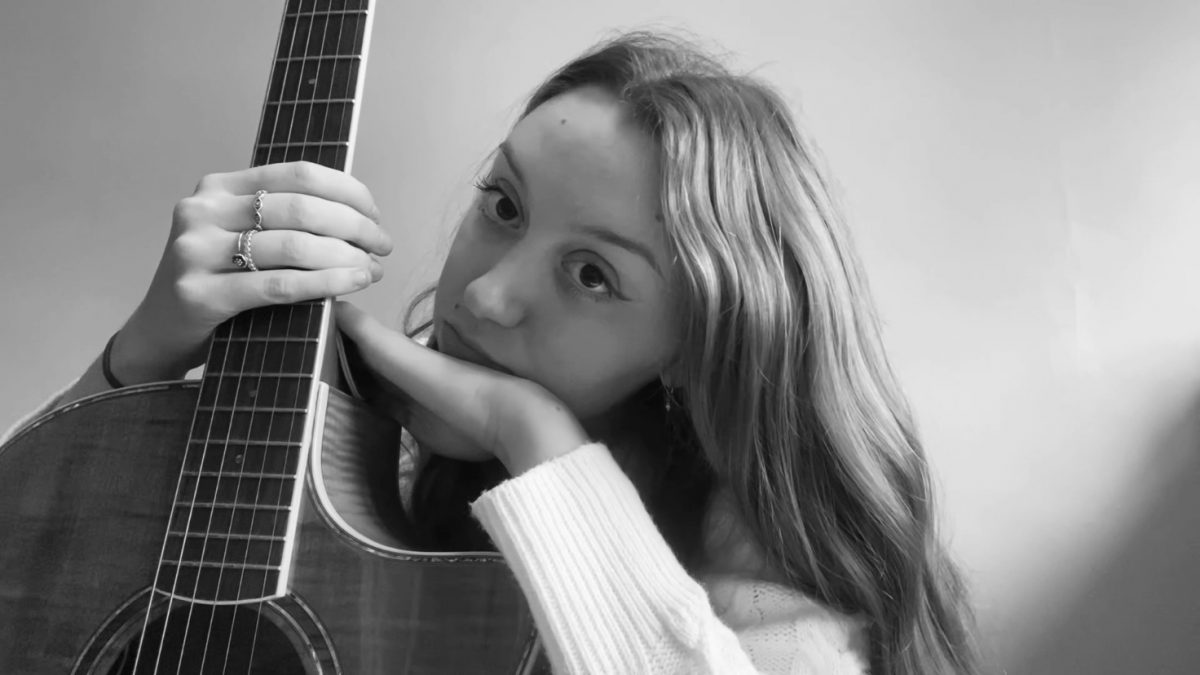
What has 2025 looked like for you? This year has been a year full of change. For me, finishing at CAPA college just before summer and then beginning to visualise where I stand outside of the education system in the next academic year before looking at the future and university or drama school in 2026, has been exciting and overwhelming all at once. I’ve performed at my first ever festivals, the main stage in Todmorden, two slots at Holmfirth and at the Garforth Summer Jam, it’s really felt like my music has taken off. My writing has developed enormously and I really look forward to showing what has become of me and my music in each and every performance I do.
How did you first get into music? I first got into music through my parents both being exceptionally musical. I grew up with them playing together, my mum on the whistle and my dad playing guitar. Both sing as well, and with that influence on top of their love of folk music, I don’t think there could’ve been a world where I wasn’t as invested in music as I am. I started off playing the piano and did a couple of grades before getting ill with CFS/ME when I was 11. Gradually I began to feel well enough to play again and started playing what I wanted to instead of just what I was supposed to because of the exam. My dad taught me to play four chords on the guitar and I practically never put it down afterwards. It wasn’t long before I started to write about my thoughts, feelings and experiences.
What was the process for creating your sound? I think for a lot of people at first it’s really easy to pick somebody else’s sound that you admire and want to sound exactly like them. I know at the start I’d listen to a lot of music by American artists and so would pronounce certain lyrics using that accent. I made the conscious decision that actually that wasn’t me or what I wanted my music to sound like, as I was so passionate about it being a true and genuine expression of who I am. I’ve definitely learned a lot about sounding unique, and I find I always sound the most like me when singing music I’ve written myself.
Who was your biggest inspiration? I’ve had many varying people that have inspired me. My top artist is Noah Kahan, with his deeply personal lyrics and folk influence I’ve always seen a bit of what I strive for in him and his music. On a more personal note I think the people in my life that have supported me and believed in me inspire me to write and perform, even if I’m doubting myself.
Which song best represents you musically to date? This one’s a tricky one! Because the song that I want to say is an unreleased song I wrote named Burnt Bridges and Made Amends. I wrote it after a friend I trusted hurt me deeply, I’ve always thought it captured a very raw very painful part of me that I think can only happen by accident. On “The Water and The Trees” it may be cliché but the title track really caught the way I felt about how short life is and the importance of not dismissing that the things you say you want to do might not always happen and so make the most of it. As well as the song being purely my voice and guitar, it will always hold a special place in my heart.
Which song has been the easiest / hardest to write? There have been a few life events that have happened that have just spilled out songs with ease because of the intensity of which I have experienced the emotion of them. I sometimes write songs within 10 minutes and sometimes it can take months to finish. Sometimes I go into a bit of a haze, like with Words Wrapped up in Lies, I don’t even remember the process of writing the song it just sort of happened and I was left with it afterwards. I remember playing it to some friends at the time fully formed as it was on the album the same day I finished it. I would say that the hardest song was Bliss Of Being Alone. I had about 8 different versions of choruses and prechoruses and verses and don’t even get me started on the time and effort it took to make the decisions as to which lyrics and version of the song I liked best. I’m definitely happy with what I ended up with there though.
Which song is “the one” that turns listeners into fans? I think when I play my music live, especially now, over a year after my album released. The way I perform certain unreleased songs gets people invested. I think the excitement I have about them bleeds through to the songs and the performance. I can’t wait until I can record and show the world some of these newer songs. I do find that once people have heard The Water and The Trees, they tend to take me a bit more seriously than before though!
Do you have any favourite quotes/sayings? I wouldn’t say there’s anything that massively springs to mind. Although in one of my songs, Indentations (unreleased) I have a lyric that says “I said if you value it truly you shouldn’t need it to always go your way”. And although it may be a very hypocritical statement, I do think it’s really beautiful the idea that you don’t need to control everything for it to be valued and appreciated.
What does the future of “Eve Joné” look like? I honestly think I’m in a bit of a state of limbo in terms of my future. There’s no doubt I’m going to keep making music and performing whenever anyone will have me, but I’m looking at higher education and moving out, as well as thinking about what the future of releasing music will look like for me. No decisions are 100% made but I’m happy knowing that my music isn’t going anywhere and I will make sure to keep playing, performing, writing and hopefully releasing my music for anyone that wants to hear.
What are your next steps to get there? My next steps definitely involve looking at the music I’ve written since my album came out and preparing the songs and myself to have a think about recording and which songs make the cut! It’s also important to me to get out there as much as I can and perform, as that’s what it’s all about really.
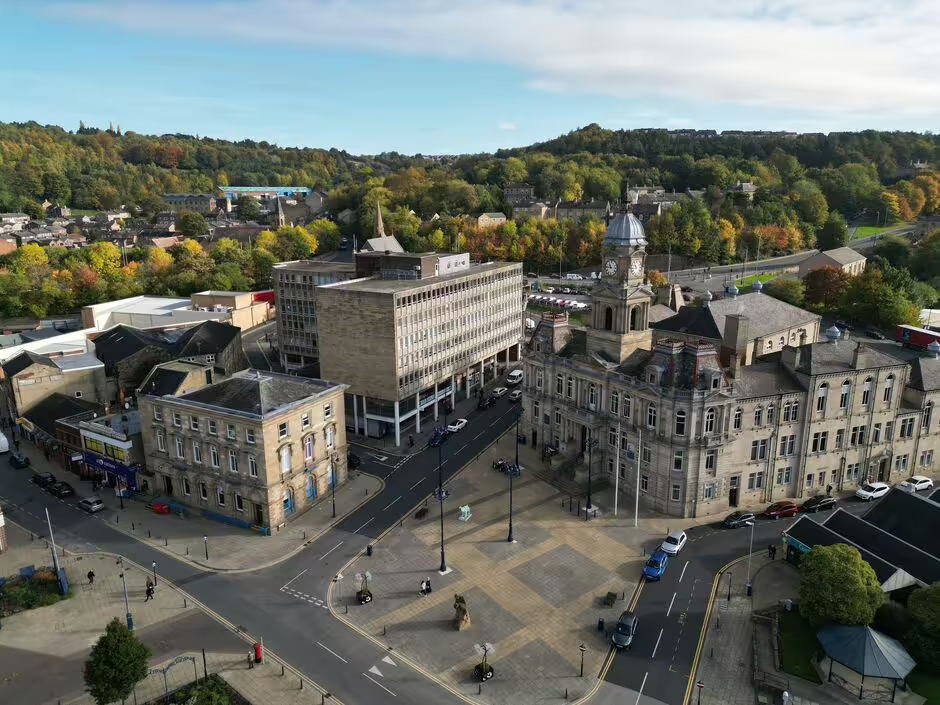
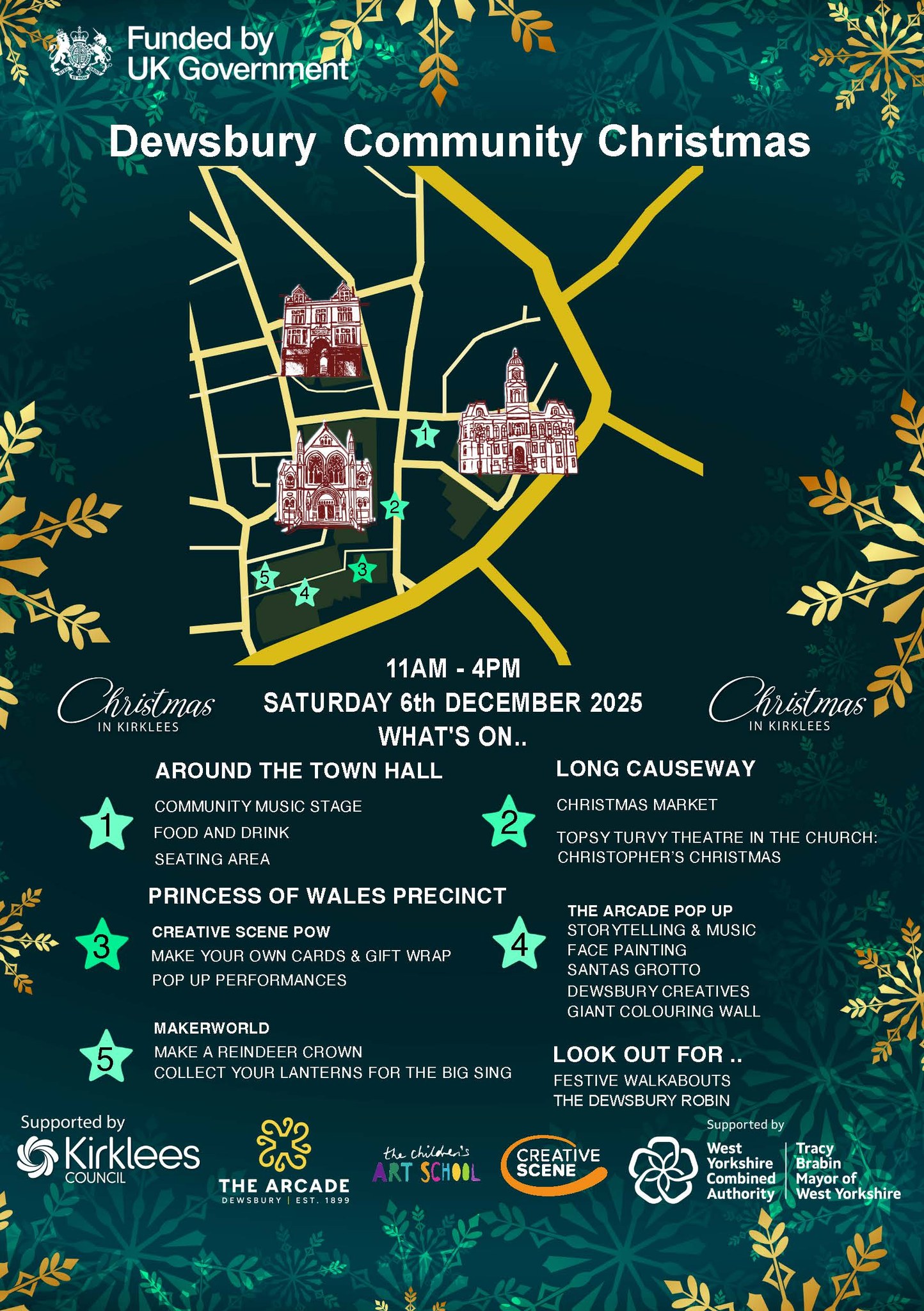
On Saturday 6 November, Dewsbury town centre will be filled with family-friendly festivities – the perfect recipe for a fun day out, with a fantastic selection of entertainment for all ages!
Christmas in Dewsbury will stem from the brand new public space out front of the town hall and across to the Prince of Wales precinct, including a traditional Christmas market, a community music stage, and even a fun Santa’s grotto.
Best of all, everything’s completely free.
Say hello to Santa To make this event as fabulous as possible, we’re working with the Arcade Group – the community organisation set to manage the Dewsbury Arcade when it reopens next year. On the day of the event, the Arcade Group have even agreed to loan out their pop-up shop to Santa for his grotto, and have teamed up with more local businesses to hide some sneaky Christmas elves around the town centre… Do you think you can find them all?
Live performances Our music stage will host loads of local acts throughout the day – including our very own Maisy Brown, bhangra artist Hardeep Sahota, singer Mitchy, the Yorkshire Folk Choir and the Musica Combined Children’s Choir.
Local children’s theatre company Tell Tale Hearts will be performing their much-loved Trunk Tales – through which children can hear stories and adventures from all across the globe – with a special winter theme, along with Topsy Turvy Theatre who, in conjunction with Creative Scene, will be performing their special festive production Christopher’s Christmas.
There’ll be more walkabout performances around the town centre throughout the day, including Christmas elves ‘Ebor n Gum’, Huddersfield Samba, and a beautiful giant barn owl called Thingumajig.
Get creative and crafty There’ll also be lots of opportunities to get crafty at Christmas in Dewsbury! ‘Make and take’ activities through WOVEN will include the chance to make your own festive rag wreath, using recycled textiles, and take it away on the day. The Creative Scene ‘Pow Space’ will provide an open space for art and creativity. And local artist Ruth Dyer is creating a giant interactive colouring wall especially for the event – come along and make your mark.
Location: Dewsbury Town Centre, Dewsbury, WF13 1DQ
Prior Silk has a real talent for turning emotion into sound. Their soft, airy vocals mixed with a piano that’s both gentle and strong create the perfect setting for the story in “I Wanna Build You a Home.” The song draws you in completely, almost like you’ve stepped into a world built from their imagination. With their mix of classical-style instruments and light electronic touches, they share their feelings in a clear and honest way.
The lyrics tell a sweet, heartfelt story about wanting someone you love to have everything they hope for—a place where they feel safe, cared for, and at peace. The whole track feels intimate and vulnerable, something that isn’t easy to capture. Warm, layered harmonies help tie everything together, making the song feel emotionally full and beautifully connected.
As the song moves forward, small details stand out—soft background sounds, gentle vocal moments, and smooth shifts in the music that make the emotion even stronger. These touches show Prior Silk’s ability to craft music that feels personal but still relatable. When the song finally ends, it leaves you with a comforting sense of closeness and mutual understanding.