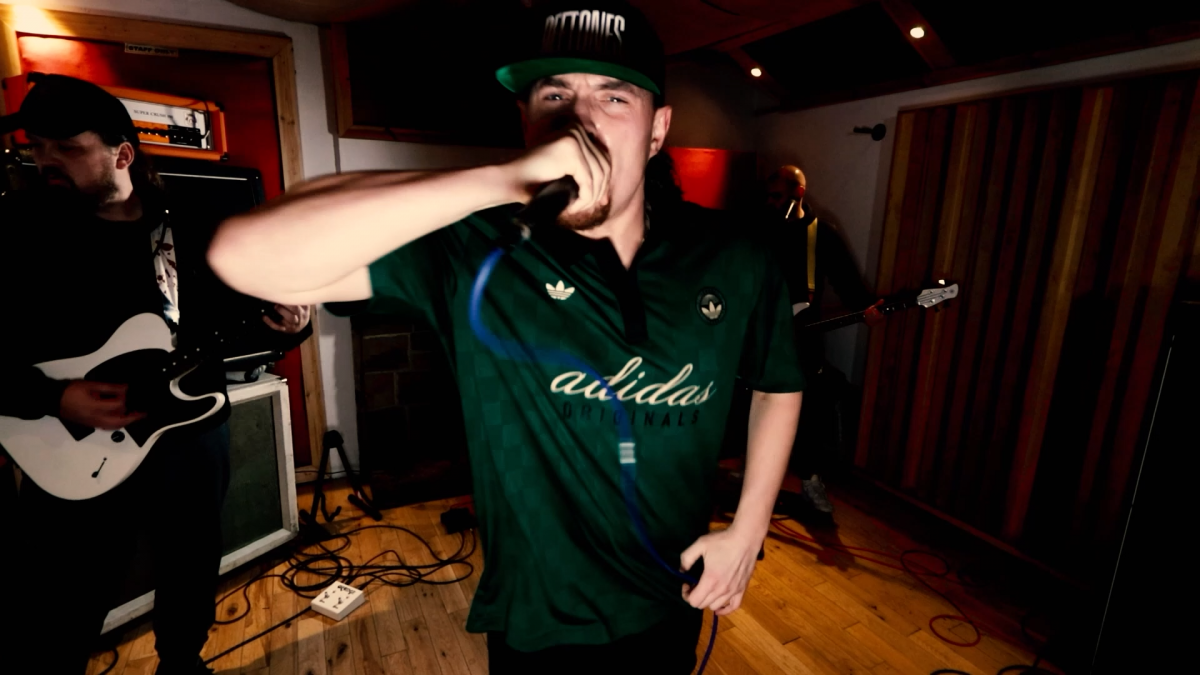
The gritty rhythm, bouncy bassline, snappy drums and dual vocals make “Where We Come From” an instant earworm – and that’s before Savvy starts rapping. The cold flow of the verses, lamenting the growing rifts between the local community, is a stark but raw display of pain presented in his trademark “Savvy” lyricism.
Wood’s vocals provide a beautiful contrast that cleanly segments the verses from the chorus, as well as emphasising the soulful instrumental with her melodic vocal pads. Community spirit is evident not only in the non-judgmental lyrics but in the sharing of this deeply personal track with another, creating something which transcends both artists individually.
“Where We Come From” is the unifying anthem that all local communities deserve.
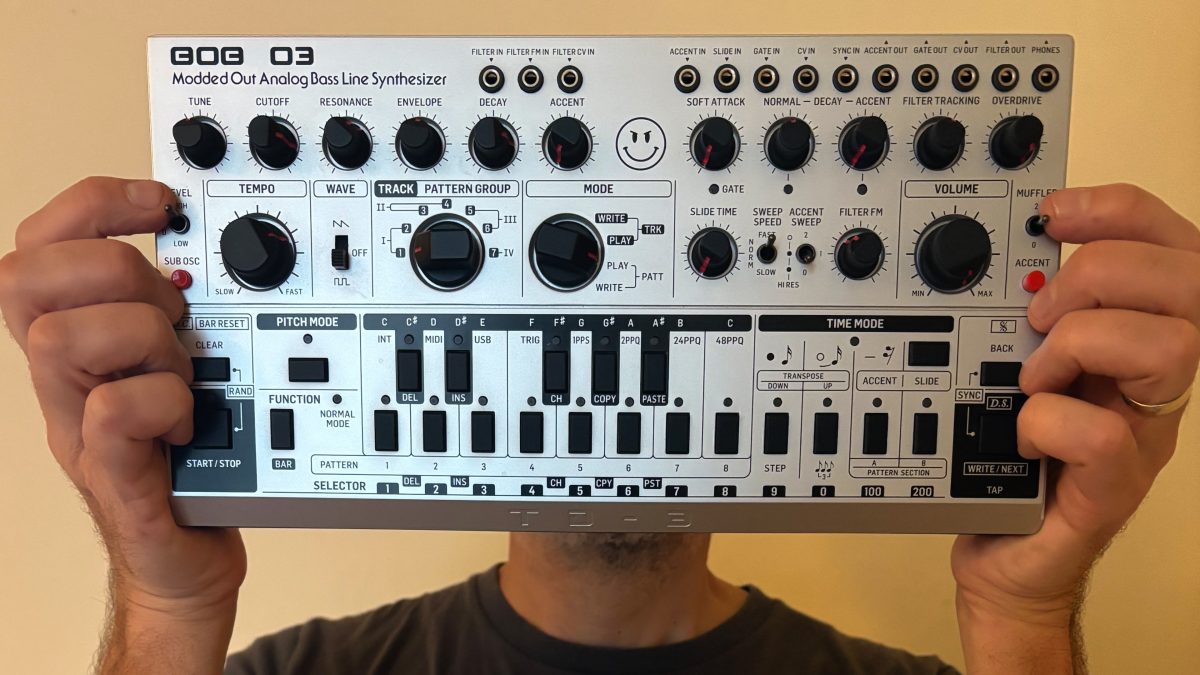
Thumping, bleeping and grand – “Socialism” is an incredibly varied track with a grand journey through various instrumentals including acid bass, cowbells, and one Daft Punk’s worth of synth.
With a minimalist style that focuses on maintaining a constant mood, “Socialism” is never overwhelming to listen to, but it carries an undeniable momentum that never loses your attention. It also isn’t afraid to be grandiose, using every tool in the kit, and when those moments hit, it feels like the unveiling of a space pope.
A hype builder through and through – “Socialism” earns its spot as Bobus’ introduction in their 2025 Live Set LP
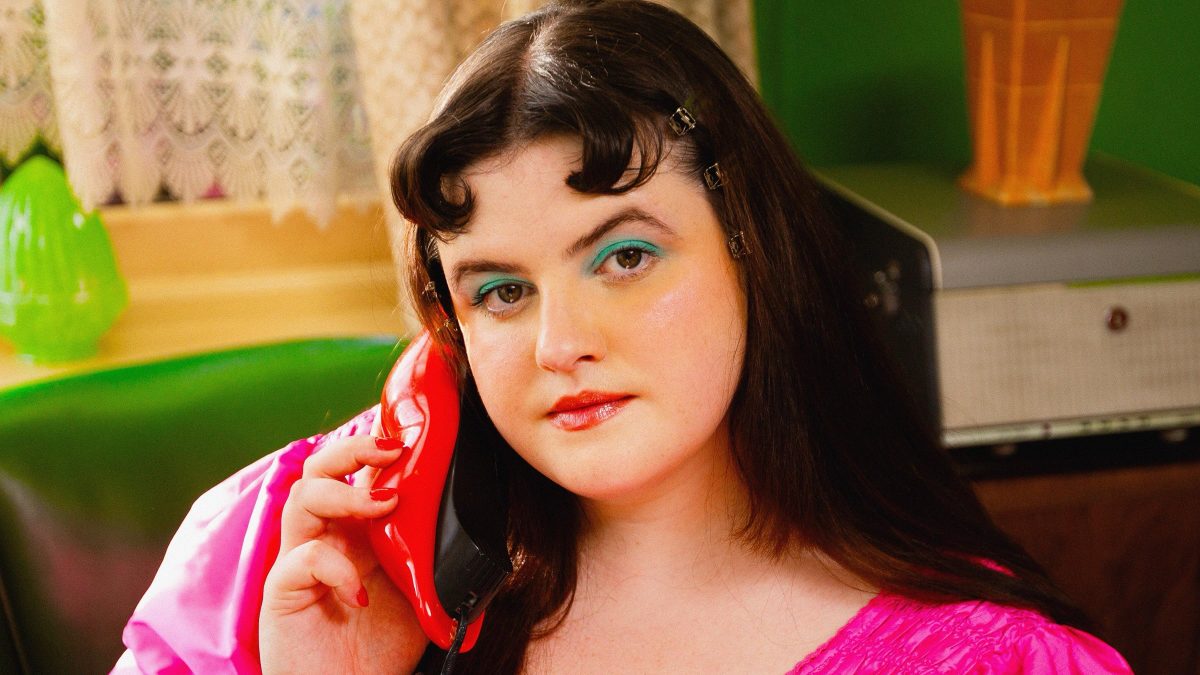
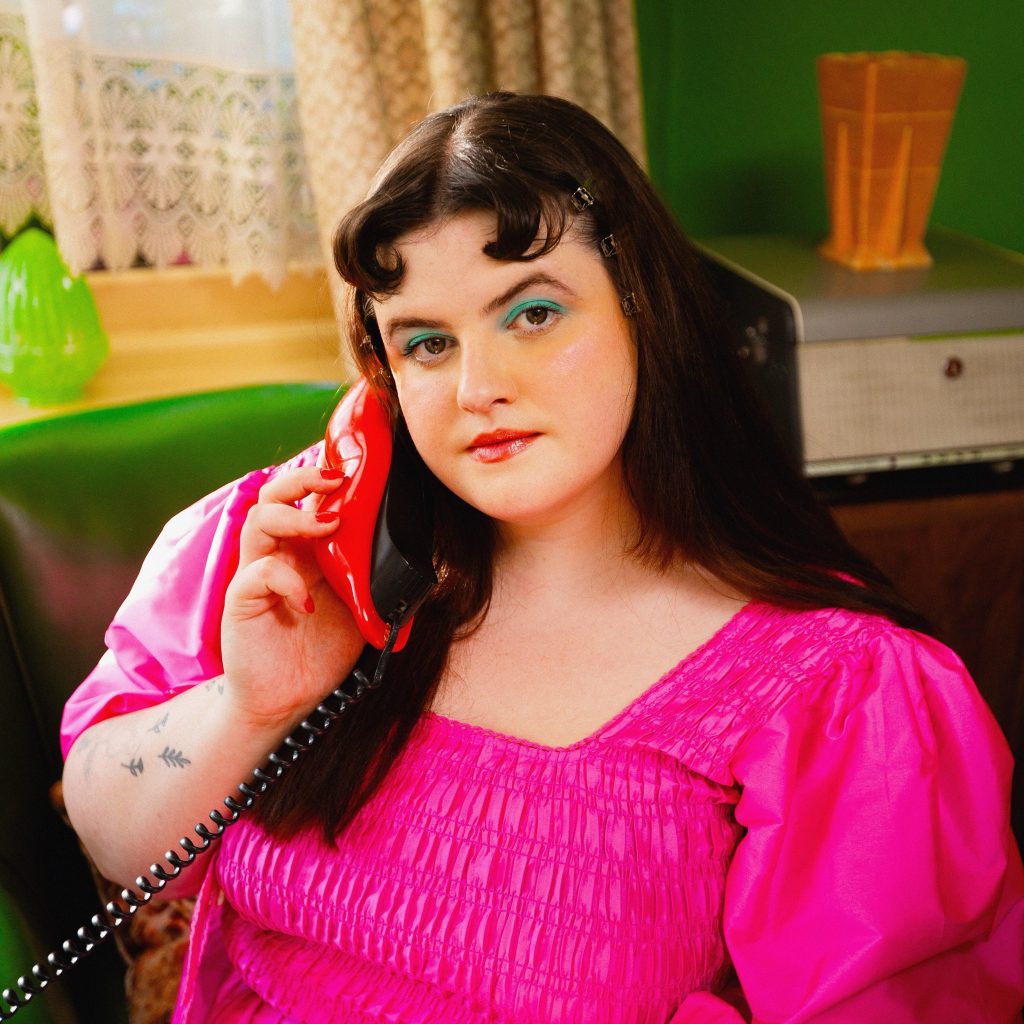
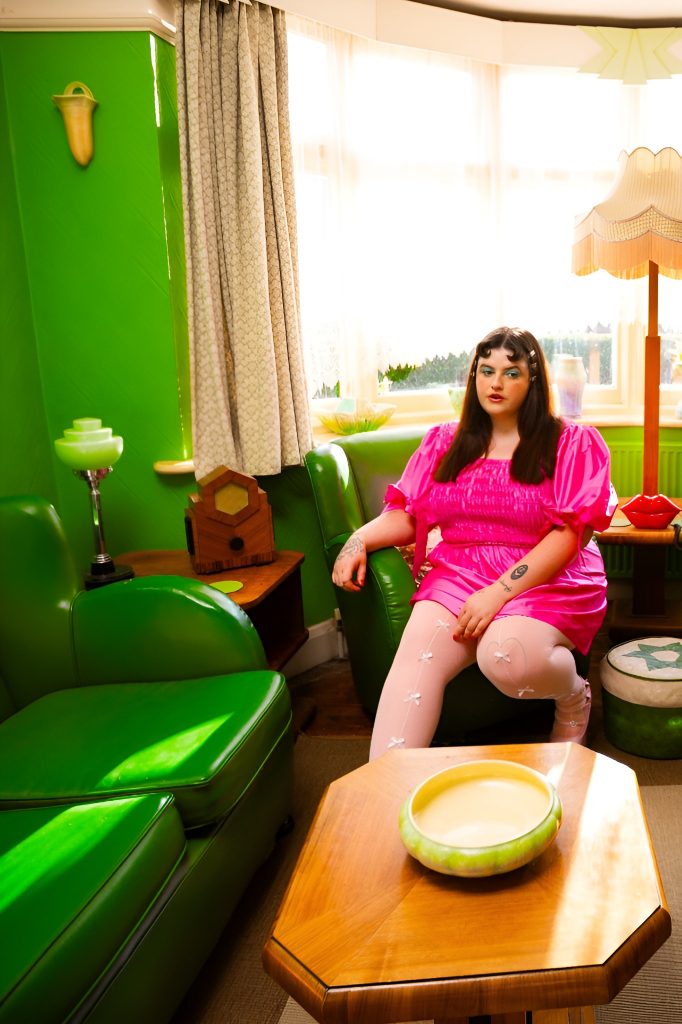
Smokey and sensual, with a groove straight out of the 70s, “Superstar” is a collaboration that works on every level. The low vocals provided by Ruby Wood swirl into the smooth, bubbly bass and trumpet accents to make a rich sound that’s the audio equivalent of red wine.
“Superstar” is a song about the fantasy of dating a superstar, and the lyrics are filled with a sort of quiet awe that speaks to the head-spinning notion of that premise – though given Wood’s extensive touring and sellout Wembly Arena and Manchester Apollo performances, it’s fair to say she’s the superstar in the relationship.
“Superstar” is R&B at its finest – an easy-listening jam that’s hard to dislike.
Desperate and clawing, caught between hopeful and hopeless – “don’tRUSH” is a deeply moody experience. The broken vocals bouncing between speakers and rumbling bass contribute to a tangible dark ambience that meshes seamlessly with the uplifting choral harmony, perfectly conveying the conflicting joy and fear of love, and the contradictory euphoria of it.
Thumping percussion, shredded vocal stings, and driving rhythms make “don’tRUSH” a sensory delight, evocative of nighttime drives and pounding hearts. The aesthetic of “don’tRUSH” is immaculate – laden with resonant symbolism and raw emotion.
“don’tRUSH” is definitely going to “stay with me tonight”
Sugary and chill, “Shadow Dancing” is a warm window on a cold night – self-conscious in the best way possible. The sweet, poetic, and slightly obsessive lyrics about watching a boyfriend’s window and wondering what he’s doing are painfully relatable – and the soft melodic vocals deliver them in a comforting dose of reassurance.
“Shadow Dancing” also happens to be a bop – just as fitting in a club as in a pair of earphones under a blanket. The soft piano drones, snap-click beat, low-key bass, and electronic bleeps make it seem a second “Dancing On My Own”
Do you feel sad sexy? Well, “Shadow Dancing” certainly does.
“New Day” is a song defined by two things: an uplifting message of perseverance and hope, and the jazzy, head-bobbing brass melodies which take you most of the way there. Catchy and heartfelt with a uniquely Reggae spin – “New Day” is focused, purposeful, and powerful in both its message and its delivery.
Praised by BBC Radio 1 DJ Rob da Bank, Easy Stride have been mastering their unique sound since 2015, and “New Day” is their version of Soul down to a fine art. The triumphant brass instrumentals, the smooth bassline, the sharp vocals, and the hypnotic piano all come together to make a sound that transcends and uplifts in equal measures.
A perfect vibe – it’s hard to find anything to dislike about “New Day”, especially during that teasingly killer bridge.
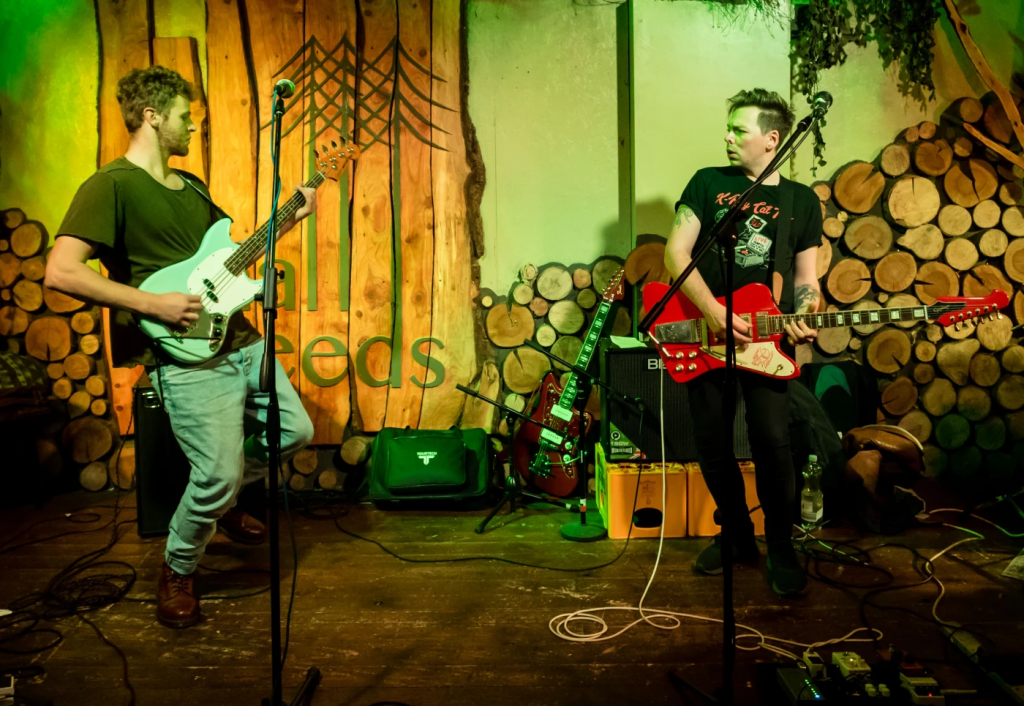
The first thing you’ll notice about “Charlie Sheen” is that killer hook sang against a choral melody that’s immediately inviting. Then, the blaring bassline comes in, riffing like a punk-rock “Walk Like an Egyptian”, you start humming the punchy vocals, and suddenly, you have a brand new earworm.
“Charlie Sheen” was featured on BBC Introducing (Leeds and Sheffield), and it’s easy to see why. Thumping, bassy, and ever-shifting – “Charlie Sheen” is an unapologetic riot with a very crunchy guitar. The lyrics – a declaration of being flawed but perfect – are snappy and memorable, complementing the hard riffs especially when the dual vocals kick in.
Gritty and gratifying, “Charlie Sheen” is an instant mood lift for alt-rockers and begs to be heard live.
The surfer vibe is well and truly at home in “I Scream Headache.” A crowd pleaser through and through, with moments clearly made to be screamed in a live audience, this tongue-in-cheek song is pleasantly energetic and irreverently fun – made even better by the surf-rock warbles and pitch bends.
The lyrics are particularly evocative, telling an urban-legend-style tale of a demon ice cream man trading souls for “sweet, sickly” ice cream that makes “everybody lose control”. The manic, train-rattle guitar riffs are hard to resist tapping your foot along to, as are the crashing symbols of the chorus – and the song gets bonus points for using the word “saccharination” in a completely fitting way.
The reverence Zero and the No-Nos has for the 50s rings loud and clear with this spooky, fun track that’s as sweet as ice cream but without the brainfreeze.
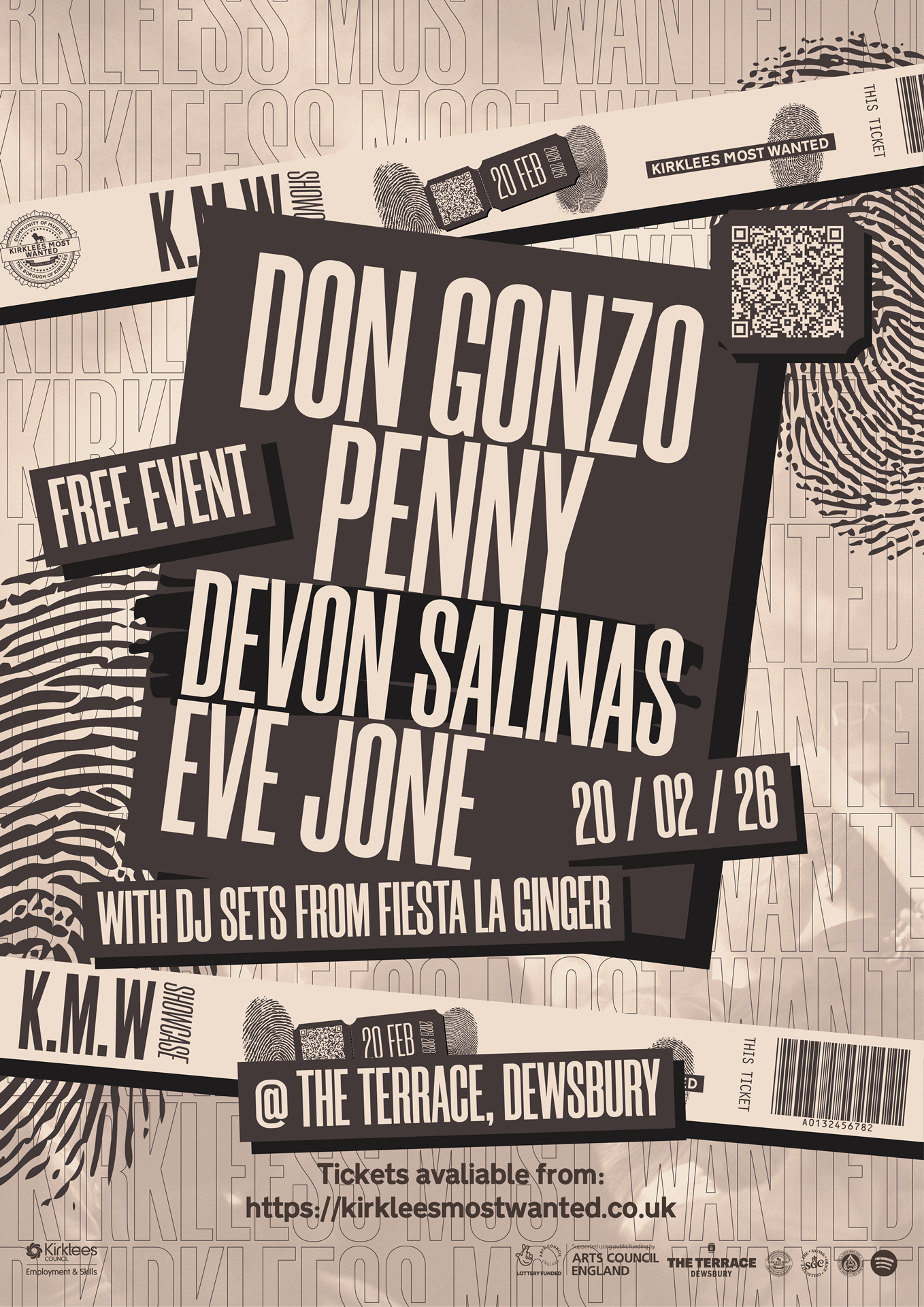
Prepare for an unforgettable night of live music as the Kirklees Most Wanted Showcase lights up The Terrace in Dewsbury on February 20th. This eagerly awaited event will spotlight an amazing lineup of homegrown talent, offering a dynamic mix of genres and an electrifying atmosphere for music fans.
Joining us on stage are 4 exceptional acts, each bringing their own unique flair;
Eve Joné
Eve Joné is an emerging Indie-Folk/Folk singer-songwriter from Huddersfield who is committed to creating music that is a “true and genuine expression of who she is,” drawing influence from artists like Noah Kahan and her parents’ musical background. Her deeply personal and lyrical music often tackles complex emotions, notably in her album, The Water And The Trees (Live). This work features the song “Our Time,” which she describes as a “three-minute-therapy session” that addresses the emotional complexities of feeling undervalued in relationships. Having recently finished her studies at CAPA college, Eve has dedicated herself fully to her music career, successfully performing at her first festivals, including the main stage at Todmorden and slots at Holmfirth Folk Festival and supporting Good Good Blood for his recent album launch party.
Devon Salinas
Fusing the technical precision of jazz with the velvet grooves of modern R&B, Devon Salinas is crafting a sound that feels both timeless and essential. The Leeds-based singer-songwriter and guitarist has reached a new creative peak with ‘Say It,’ a track that moves from sun-drenched romance to the haunting, minor-key mourning of a past flame. His live set is a masterclass in atmosphere: expect silk-smooth Neo-Soul vocals backed by the sophisticated harmonic depth that only a true jazz guitarist can provide.
Penny
Penny is a rising singer-songwriter from Huddersfield known for her unique brand of Dream-Pop and Electro-Pop. She pairs sweet, alluring vocals with vulnerable and candid songwriting, using the creative process as a form of therapy. Her music, which includes singles like “Sad Puppy,” “Ur Girl’s Fine,” and “Outside,” explores complex narratives such as processing jealousy, toxic relationships, and self-worth. Penny’s sound is characterized by a low-key groove and compelling seductiveness, finding a “tranquil beauty” in heartbroken narratives that resonate strongly with listeners.
Don Gonzo
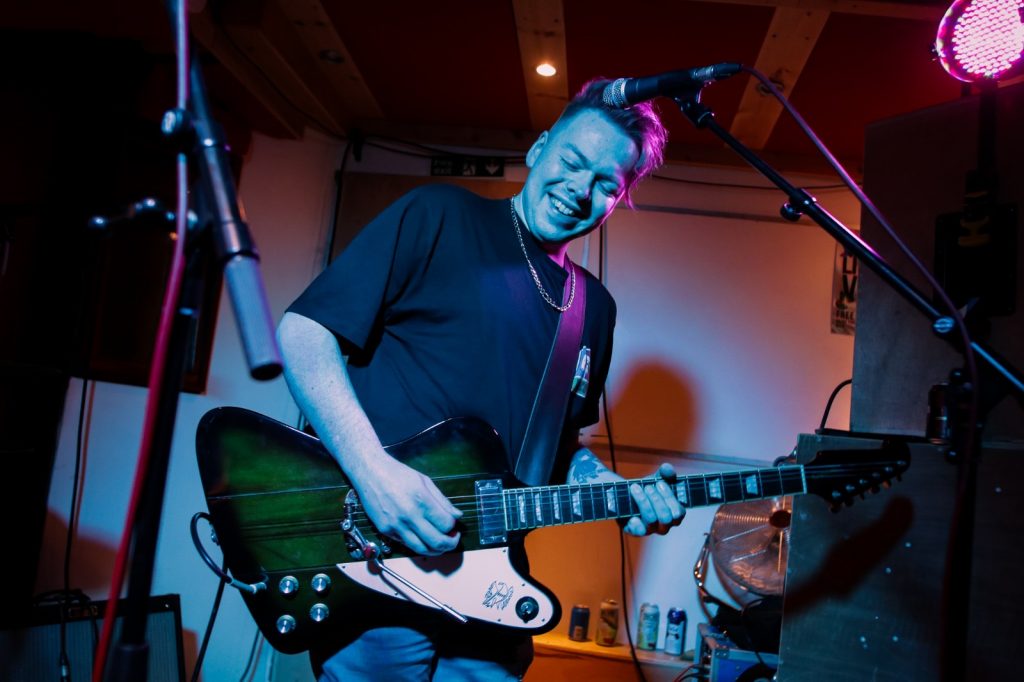
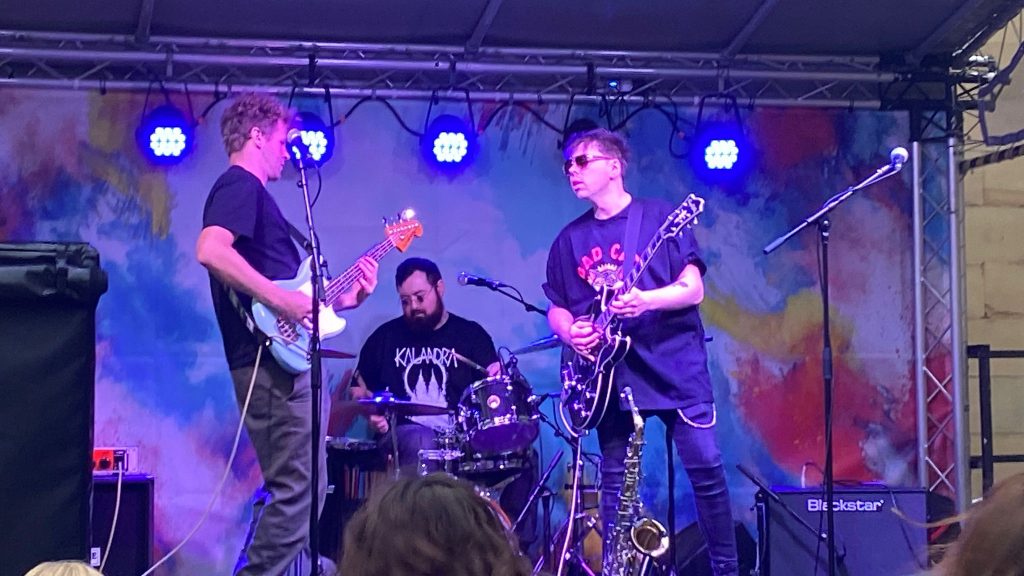
Don Gonzo is a high-energy band that delivers a punchy and unpredictable blend of Psychedelic Rock with influences of Post-Punk and Funk. They are recognized for their driving rhythms and unique, complex sound that is highly danceable and entertaining. Their standout track, “Quit Your Job,” is delivered at breakneck speed, featuring rapid percussion, electrifying jazz chords, and a post-punk riff. The simple, repeated line in the bridge—”quit your job, it won’t do no harm”—highlights the song’s effective anti-establishment message. Don Gonzo is a prominent, engaging act in the local music scene, having previously performed at events like the WRXL Afterparty in Huddersfield.
Fiesta La Ginger
Throughout the night, there will be DJ sets from Fiesta La Ginger, opening up the event and filling the spaces between the live acts and keeping the energy high.
Don’t miss this extraordinary night of music and discovery.
The Kirklees Most Wanted Showcase is more than just a concert—it’s a celebration of the thriving music scene in Kirklees. By providing a platform for local artists to shine, this event highlights the incredible talent within the community and offers audiences the chance to discover their next favorite act.