Amaya
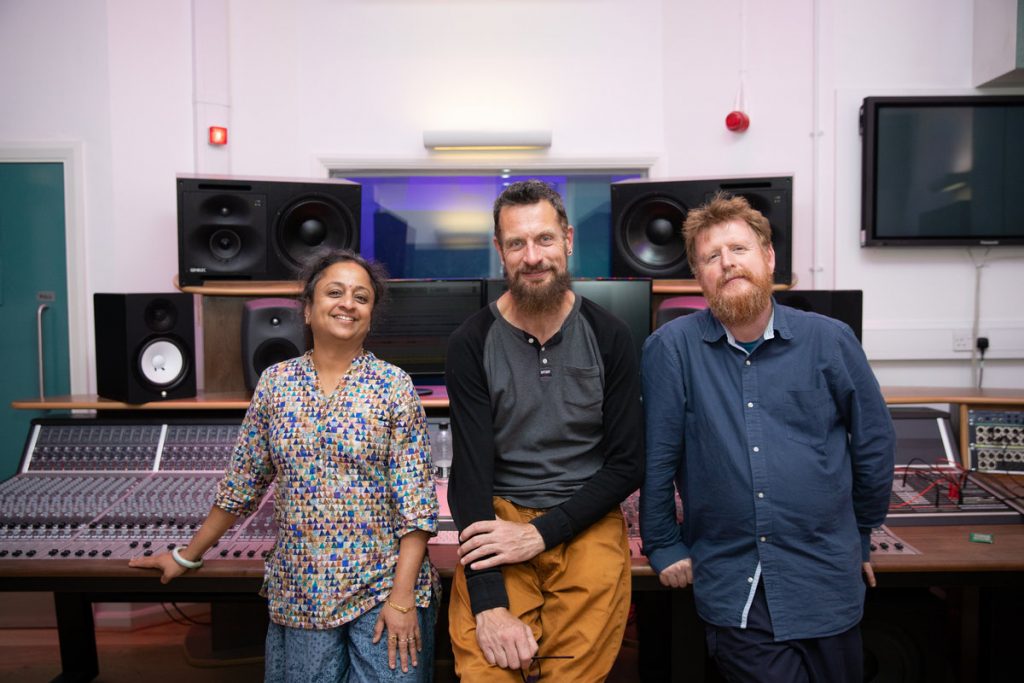
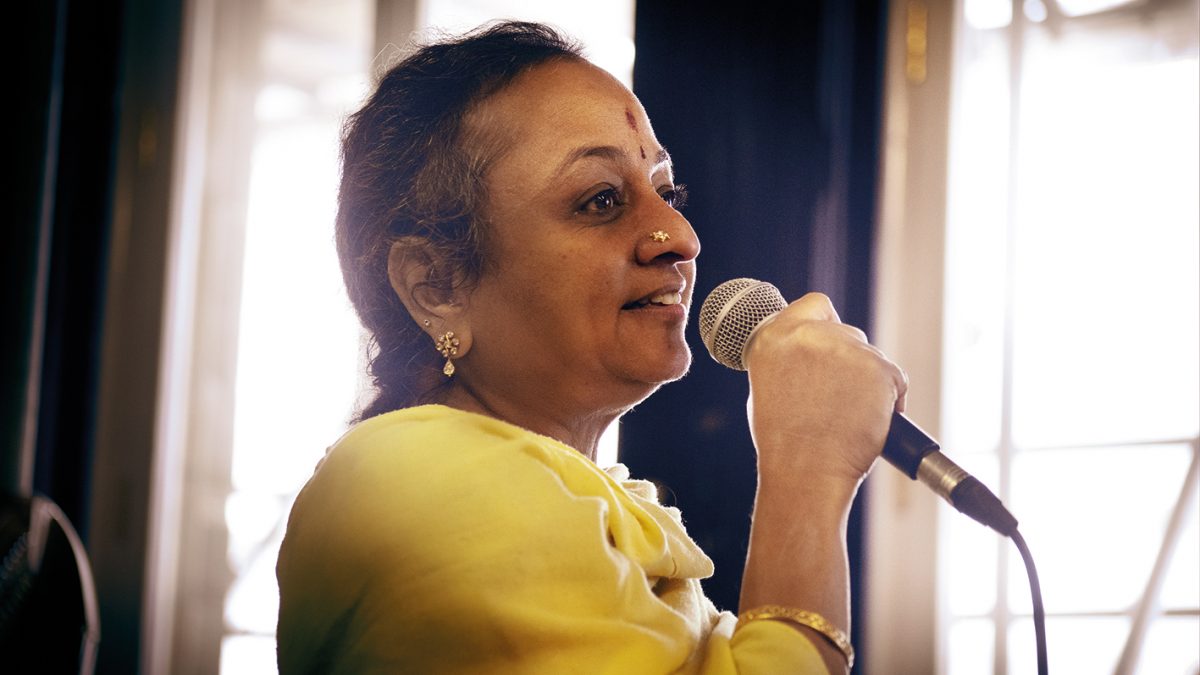
In this interview, Abi Unsworth sits down with Supriya Nagarajan, one half of the duo Amaya, to explore the profound synergy behind their collaborative sound. Supriya reveals how their “meditative” approach to music—rooted in South Indian tradition but reaching toward a universal, secular calm—allows them to connect deeply with intimate audiences, whether in a crowded hall or a tiny Scottish boat house. From the kitchen to the studio, Supriya shares how research-driven concepts like climate change fuel their innovation, proving that when the right people vibe together, the resulting music is nothing short of fabulous.
What’s it like working in a duo, do you always agree on the same ideas?
“It’s absolutely wonderful to work as a duo because I think we bring different skills to the table and compliment each other. We have a shared understanding of what the music needs to sound like and that really helps us, we know what sound we want to ultimately produce, and we use our best bits to get to that place. We vibe really well together, and we’ve been doing a lot of projects together which we thoroughly enjoy. It’s about collaborating with the right kinds of people, if we as people get along, then together we sound fabulous. That’s how we function.”

What makes a good concert/live experience for you?
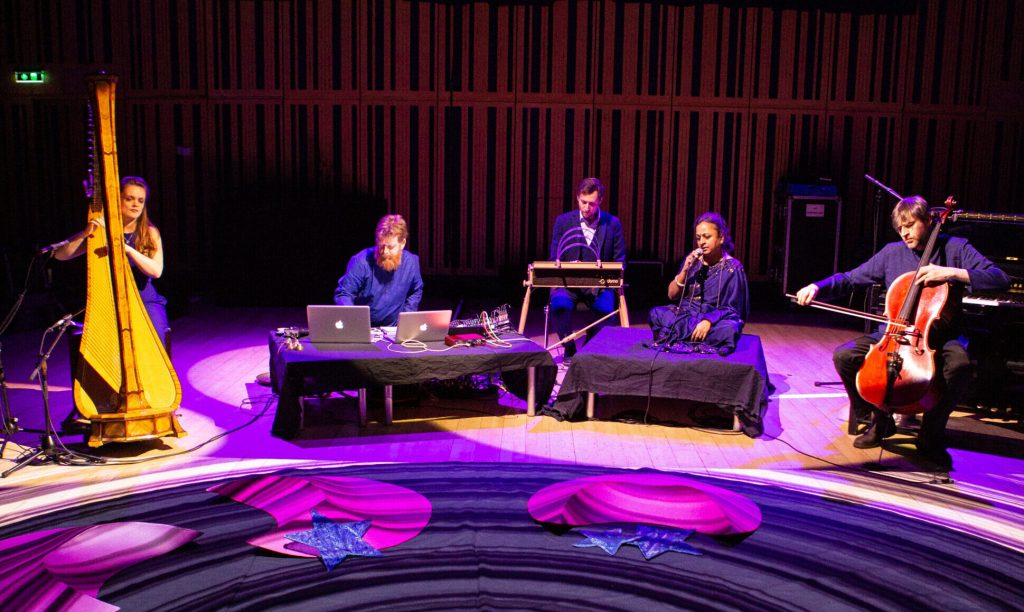
“I think a good concert is when you’ve managed to establish a connection with the audience. So, the kind of music that we make as a duo is quite meditative because we like the idea that we reach out to people’s hearts and minds to capture a little place of calm and rest, that’s what we aim for…If successful, then that’s a great live performance. I think that if even one person goes back from the concert, feeling that their life is enhanced, then that’s a fantastic live performance and experience for us. We particularly enjoy performing to smaller audiences, around one hundred to two hundred people, even though we have individually performed to thousands of people before. There’s nothing like having an intimate audience and one of our best performances was at Port Soy in Scotland with the snow pouring outside and just five people in the audience inside a little boat house. We have some good memories like that.”
What methods do you use to sustain such innovation; how do you continue to invent new ideas?
“Ideas are never a problem, definitely not for me. I like concept driven work; I like to research an idea and make sure I know enough about the subject before I even think of making the music then I invite collaborators into the mix. So, ideas are things which come to you, you go through life and then you have an experience which generates ideas, and from then on. The best way to respond is always through music, then discuss and create with collaborators based upon the original idea. For example, I’m doing two projects on climate change at the minute called Ultimate Breath and Other Voices. They’re all about how we as human beings view the planet, I’m working on that idea at the minute and I have a number of collaborators from different parts of the world and when it all comes together, it’ll be a sixty-minute music piece.”
How would you like your wider audience of non-religious people to experience your music?
“My music is not primarily religious, some of the lyrics are because they date back to very old and traditional ways of singing which South Indian music uses. I do have some lyrics where Gods and Deities of the Indian Pantheon are invoked. Mainly, I ask audiences not to worry about what the lyrics say as much as to just concentrate on the melody and nature of the whole performance. There are occasions where there’s no music and I instead use syllables and scatting kind of thing called Dhanam. There are various occasions where religion absolutely doesn’t come into it and there are occasions where some of the lyrics are more generic with nature and things like that. I’d say that the religious connotations of what I sing doesn’t come into it, I perform sitting cross legged on the ground because that’s my training and I’ve been taught to throw my voice from my diaphragm. I don’t think religion is the only aspect of the music because my audience are very cross-cultured and drawn from society because we all have a common enjoyment of music.”
What’s the first step in your songwriting process, is it always the same?
“My songwriting process always varies. It’s thematic so I choose which of the Indian languages I want to base my work on, and then I look at the lyrics and write what suits the mood of the piece and project theme. It comes from different places, on one occasion I might sit down and just write a song but, on another occasion, I might write just the first few lines, dwell on it, and then come back. Sometimes inspiration might strike when I’m out and about or cooking in the kitchen, anything could happen. My songwriting process very much changes to each project.”